fruiting vegetable · Cucurbitacées
CourgetteCucurbita pepo
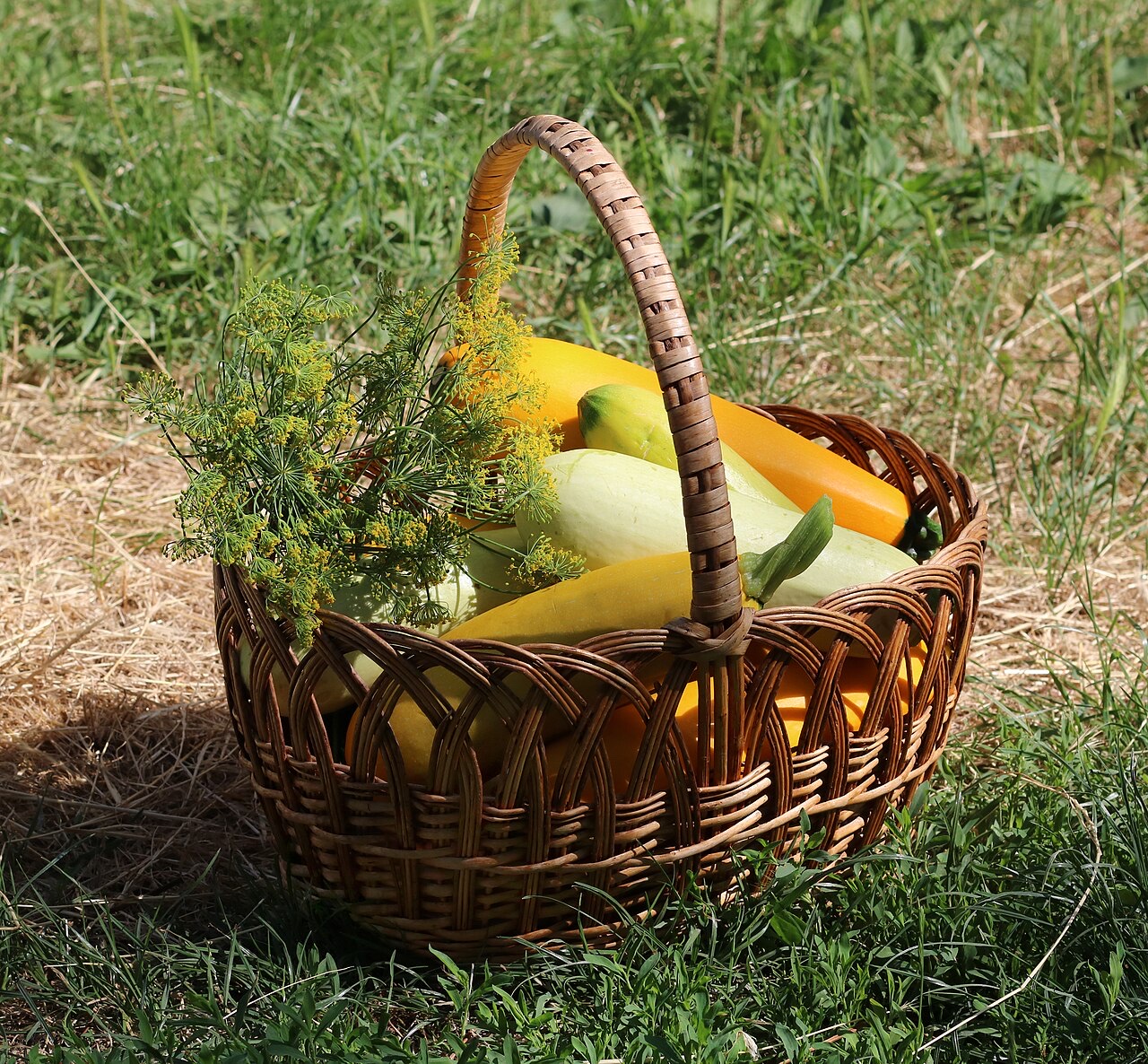
Generous to a fault, the courgette is the ideal vegetable for beginners: two or three plants are enough to feed a family all summer. It grows fast, asks for nothing but compost and water, and throws in its delicate flowers to stuff or fry as a bonus.
- Difficulty
- Easy
- Exhibition
- Full sun
- Watering
- Abundant and regular at the base, especially while fruiting
- Floor
- Very rich in organic matter, moisture-retentive, deep
- Spacing
- 1 m in every direction
- Harvest
- 45 to 60 days after planting out
Calendar · Belgian climate
When to sow, plant and harvest
| Activity | Jan | Feb | Mar | Apr | May | Jun | Jul | Aug | Sep | Oct | Nov | Dec |
|---|---|---|---|---|---|---|---|---|---|---|---|---|
| Sowing under cover | yes | yes | ||||||||||
| Sowing in open ground | yes | yes | ||||||||||
| Plantation | yes | yes | ||||||||||
| Harvest | yes | yes | yes | yes |
Step by step
1Sowing
Sow in individual ten-centimetre pots from mid-April, in warmth at around 20 °C. Push one or two seeds into each pot, pointed end down, two centimetres deep, then keep only the most vigorous plant. Germination takes about a week. Outdoors, sow directly in stations of two or three seeds from mid-May, once the soil has warmed up, and thin afterwards.
2Planting out
Set the plants out after the Ice Saints, mid-May, when they carry three or four true leaves. Prepare a generous hole for each, enriched with two or three shovelfuls of mature compost or even well-rotted manure: the courgette is very hungry. Leave at least a metre between plants, as the foliage soon covers the ground. Water abundantly, mulch thickly and protect with fleece if the nights stay cool.
3Caring
Water generously at the base twice a week in dry weather, without wetting the leaves, to limit powdery mildew. Mulch keeps the soil cool and the fruit clean. Remove damaged or whitened leaves to open up the centre of the plant. A dose of nettle liquid early on, then comfrey at flowering, supports production. If the first female flowers abort, it is often a shortage of pollinators: wait, it sorts itself out.
4Harvesting
Pick courgettes young, between fifteen and twenty centimetres, while the skin is still glossy and tender. Go round the vegetable patch every two days: a forgotten fruit doubles in size within days and slows down the next ones. Cut with a knife at the base of the stalk without pulling on the plant. The male flowers, borne on a long thin stem, can be picked in the morning for the kitchen without harming the harvest.
5Storing
Fresh, a courgette keeps for a week in the salad drawer of the fridge. For surpluses, grate it raw and freeze in portions after squeezing out the water: it is perfect for gratins and savoury loaves. You can also freeze it diced and blanched for two minutes. Large end-of-season courgettes, left to mature until the skin hardens, keep for several weeks in a cool, dry room.
Further reading
Planting and caring for plants properly
How to plant properly
Choosing the spot
The courgette demands full sun and space: a mature plant covers a circle one metre to one metre twenty across. Choose an open corner, sheltered from the prevailing westerly winds that break the large leaves, and where the soil warms up quickly. Avoid areas where water lingers after a storm; the roots rot there. The edges of the compost heap or the former site of a manure pile suit it perfectly, as it finds the richness it requires. Two or three plants are enough for a family; place them in different spots rather than side by side, which slows the spread of powdery mildew.
Preparing the soil
A fortnight before planting, dig a hole forty centimetres wide and deep for each plant. Mix the excavated soil with two or three shovelfuls of mature compost or well-rotted manure, then fill it back in to form a slight mound: the soil warms faster there and water does not sit around the neck of the plant. In heavy soil, add a shovelful of sand or leaf mould. A handful of ash provides the potash the fruit needs. This rich hole is worth any amount of surface feeding: the courgette sends its roots down into it and feeds all summer long.
Sowing at the right time
The calendar is simple but unforgiving: sow in pots from 20 April, plant out after 15 May. A plant sown in early April grows too big, yellows in its pot and establishes poorly. Keep the pot at 20 °C, near a bright window, and put it out on the sill as soon as it germinates in fine weather. A direct sowing in place around 20 May, under a cut-off plastic bottle as a cloche, catches up within three weeks. To extend the harvest until the frosts, plan a second sowing around 20 June: these young plants replace the first ones, exhausted or diseased by September.
Pricking out and planting
Plant out at three or four true leaves, without waiting for the plant to outgrow its pot. Remove it from the pot without breaking the root ball; cucurbit roots do not like being disturbed. Set it on top of the prepared mound, with the neck slightly above soil level to avoid rot, and water with three or four litres of water at ambient temperature. Immediately surround the young plant with protection against slugs, which can raze it in a single night: a ring of eggshells or ash, a cut-off bottle. A fleece cover for the first ten nights speeds up establishment if May stays cool.
In pots or containers
On a terrace, the courgette produces respectably in a container of at least forty litres, such as a half-barrel or a large grow bag, filled with potting compost enriched with a third of garden compost. Choose a bush variety, compact, or even a selection bred for pots. The container must get at least six hours of sun and stand sheltered from wind, which tears the leaves. In summer, water every day, sometimes morning and evening, as the foliage transpires enormously; a deep saucer or a reservoir helps a lot. A liquid feed every ten days from the first flowers makes up for the limited volume of soil.
Beginner's mistakes
Planting five or six plants in the first year and no longer knowing what to do with the fruit. Sowing in March and ending up with drawn, leggy plants that never recover. Spacing at fifty centimetres: the leaves overlap, air no longer circulates and powdery mildew arrives as early as July. Burying the neck, which then rots. Watering the foliage in the evening, which encourages disease. Forgetting slug protection on planting day. And worrying when the first flowers, all male, produce nothing: that is normal; the female flowers, recognisable by the little fruit beneath the petals, follow one to two weeks later.
Look after it properly
Watering properly
The courgette is 95 % water and its large leaves lose a great deal of it. Allow ten litres per plant, twice a week in dry weather, three times in a heatwave, poured at the base in one go so the water soaks down deep. A basin of soil formed around the plant or a buried pot prevents run-off. Water in the morning, never on the leaves. Foliage that wilts in mid-afternoon is not necessarily thirsty: it perks up again in the evening. If it is still limp in the morning, water without delay. A lack of water also shows in the fruit, which stays small and pointed at the tip.
Mulching and feeding
As soon as the soil is warm, in June, mulch generously to ten centimetres with straw, hay or dried grass clippings: the soil stays cool, the fruit does not touch the earth and slugs move about less. The courgette is one of the hungriest plants in the vegetable garden. On top of the rich planting hole, give nettle liquid diluted to 10 % every two weeks until the first flowers, then switch to comfrey liquid, richer in potash, during fruiting. A shovelful of compost laid in a ring around the plant in mid-July revives a plant that is starting to slow down.
Opening up, guiding, pollinating
The courgette is not really pruned, but it does need tending. Cut off the oldest leaves, yellowed or covered in mildew, flush with the stem as you go, to open up the centre of the plant and expose the flowers to insects. A plant whose stem is creeping can be gently steered in the direction you want. If the female flowers abort in cool or wet weather, hand-pollinate early in the morning: pick a male flower, strip off its petals and rub its stamens into the heart of the female flower. Five minutes that guarantee the harvest during a gloomy June.
Preventing diseases and pests
Powdery mildew, that white felting, almost always arrives in late summer. Delay it by spacing the plants, watering the soil and removing affected leaves. At the first spots, spray milk diluted to 10 % or bicarbonate at 5 g per litre, every eight days, on and under the leaves. Slugs mainly threaten young plants: collect them in the evening with a head torch and keep the area around the plant clear. Fruit that yellows and rots at the tip is the result of failed pollination, not disease. Grey mould on faded flowers is kept in check by removing them as soon as they wilt.
Through the season
Late April: sowing in pots in warmth. Mid-May: planting on mounds, slug protection, fleece if the nights are cool. June: mulching, nettle liquid, first male then female flowers, hand pollination if the weather is dull. Late June: second sowing for the relay. July: harvest every two days, generous watering, comfrey liquid, removal of old leaves. August: watching for powdery mildew, milk sprays, planting out the relay plants. September: the first plants run out of steam, the second ones take over. October: last harvest before the frosts, pulling up and composting the healthy plants.
Harvesting and extending the season
Harvest every two days, with a knife, fruit of fifteen to twenty centimetres: it is regular picking that keeps production going, and a fruit allowed to grow enormous tells the plant its season is over. Male flowers can be picked in the morning without any worry for the harvest. To carry on until the frosts, rely on the late-June relay sowing and on a fleece laid over the plants during the first cold nights of October. If you want courgettes for storing, let two or three fruits swell in September until the skin hardens; they keep for weeks in a cool room.
Obtaining seeds or seedlings
Seeds and seedlings: where to find them
A selection of reputable seed suppliers that deliver to your country, listed in order of proximity. Evadya does not receive any commission: these are suppliers we recommend for their reliability.
Semailles
For Belgian artisan seed producer, organic and reproducible seeds, over 250 regional varieties, a planting calendar tailored to the Belgian climate.
Against Small organisation: limited range of hybrid varieties and possible stock shortages during peak season.
Search for ‘courgette’ on SemaillesKokopelli
For Europe’s largest collection of heirloom, organic and open-pollinated varieties; comprehensive growing guides.
Against No hybrids or seedlings; delivery times can sometimes be long during peak season; prices are slightly higher.
View the shopFerme de Sainte Marthe
For A long-established organic seed supplier, offering seeds and young plants, heirloom varieties, and nutrition and recipe guides.
Against Dispatched from the Loire: postage charges to Belgium and Switzerland; plants are fragile in transit.
Search for ‘courgette’ on Ferme de Sainte MartheGraines Baumaux
For A vast selection (over 500 tomato varieties), with high-yielding F1 hybrids and heirloom varieties side by side, and plants available in season.
Against Not much organic produce; an old site; catalogue entries rather than growing guides.
Search for ‘courgette’ on Graines BaumauxVreeken’s Zaden
For A very wide range of Dutch products, competitive prices, and numerous varieties suited to the Benelux climate.
Against Website in Dutch only; limited selection of organic produce.
Search for ‘courgette’ on Vreeken’s ZadenDe Bolster
For Dutch organic seed producer, seeds suitable for propagation, a good selection for cool climates.
Against A shorter catalogue; website in Dutch.
Search for ‘courgette’ on De BolsterZollinger Bio
For Swiss organic seeds, varieties suited to high altitudes and microclimates, and a unique phenological calendar.
Against Swiss prices and customs charges from the European Union.
Search for ‘courgette’ on Zollinger BioBingenheimer Saatgut
For A leading German name in organic and biodynamic produce, offering open-pollinated varieties selected for the home gardener.
Against Website in German; delivery charges apply outside Germany.
Search for ‘courgette’ on Bingenheimer SaatgutDreschflegel
For A collective of organic growers, specialising in rare and regional varieties, and the preservation of traditional farm seeds.
Against Small quantities; a catalogue that’s more activist than practical; website in German.
Search for ‘courgette’ on DreschflegelFrom the vegetable patch to the plate
And then we savour it
What it offers
Low in calories and very rich in water, the courgette provides potassium, vitamin B9 and gentle fibre. Its thin skin holds most of its antioxidants.
In the kitchen, it’s simple
Shaved into thin ribbons with a peeler, raw, with lemon, mint and a little feta, a July courgette makes a fresh salad in five minutes.
Living well
Handing a basket of courgettes to the neighbours is part of the summer ritual: the vegetable garden creates connections well beyond the garden fence.
Also worth a look
Other vegetables
Tomato
Solanum lycopersicum
Cucumber
Cucumis sativus
Sweet pepper
Capsicum annuum
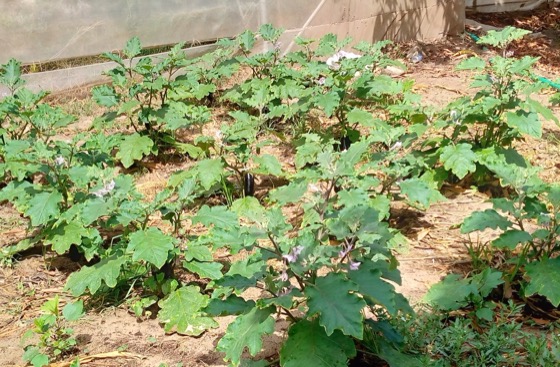
Aubergine
Solanum melongena