fruiting vegetable · Solanacées
AubergineSolanum melongena
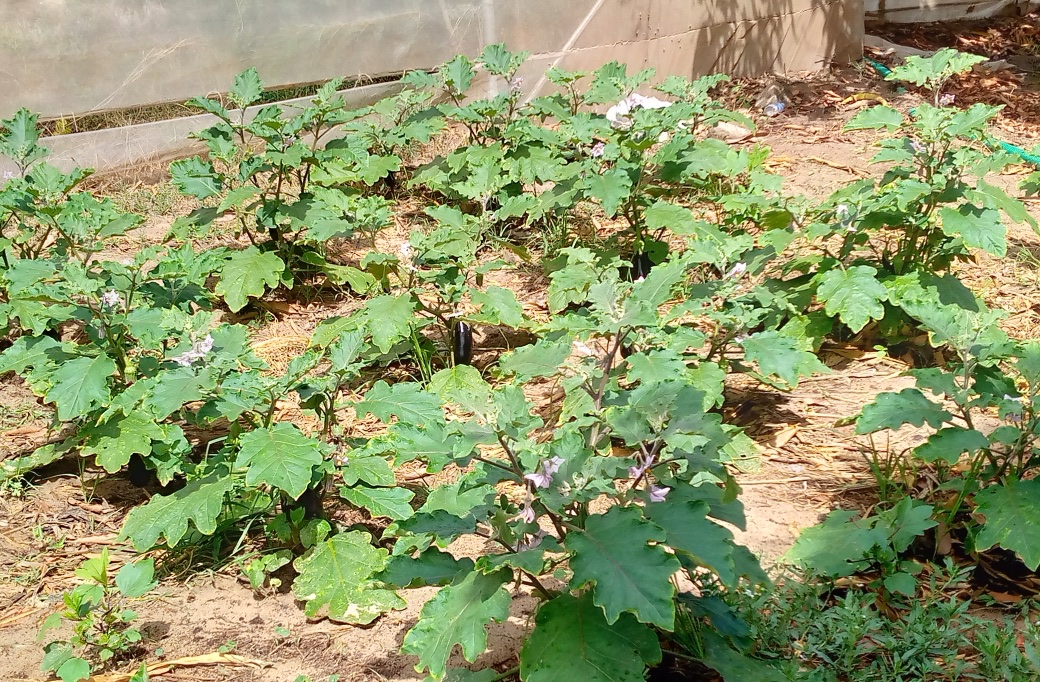
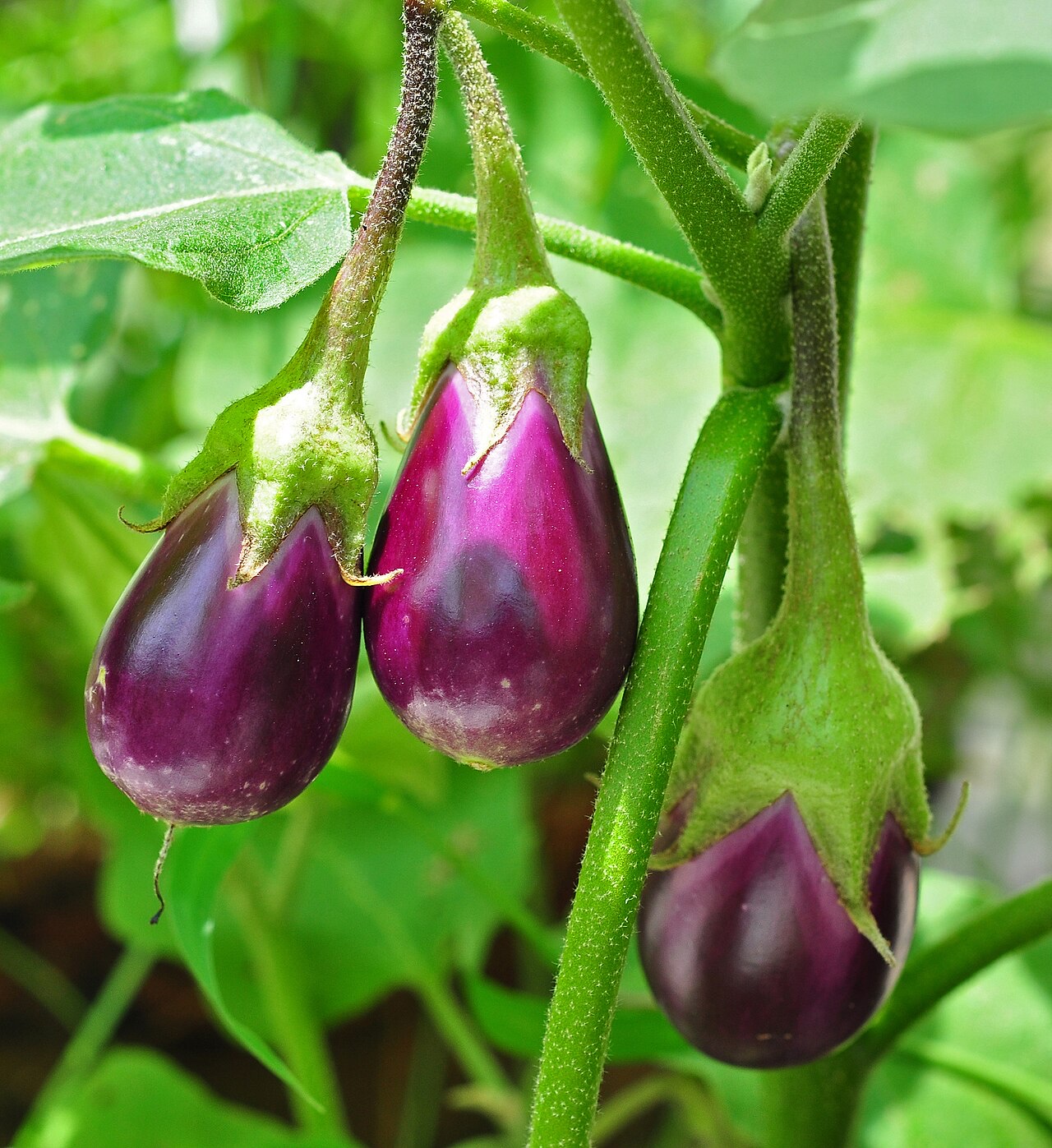
A handsome plant with velvety foliage and mauve flowers, the aubergine is the most cold-sensitive of the nightshades. It deserves a prime spot in the greenhouse or in a pot in the sun, where it produces glossy, fleshy fruit that works wonders in Mediterranean cooking from late summer.
- Difficulty
- Demanding
- Exhibition
- Full sun, very warm and sheltered
- Watering
- Regular, at the base, neither excess nor drought
- Floor
- Rich, light, well drained and warmed through
- Spacing
- 50 cm along the row, 70 cm between rows
- Harvest
- 100 to 130 days after planting out
Calendar · Belgian climate
When to sow, plant and harvest
| Activity | Jan | Feb | Mar | Apr | May | Jun | Jul | Aug | Sep | Oct | Nov | Dec |
|---|---|---|---|---|---|---|---|---|---|---|---|---|
| Sowing under cover | yes | yes | ||||||||||
| Plantation | yes | yes | ||||||||||
| Harvest | yes | yes | yes |
Step by step
1Sowing
Sow from mid-February to mid-March, in warmth, between 25 and 28 °C: soil warmth is decisive for germination, which takes ten to twenty days. Sow in a seed tray five millimetres deep in fine compost kept moist. Prick out into individual pots as soon as two true leaves show and put the plants in the brightest, warmest spot in the house. Supplementary lighting stops them becoming leggy.
2Planting out
Plant in a greenhouse from late May, or outdoors in early June, when the soil is properly warm and the nights stay mild. Harden the plants off a week beforehand. Enrich the hole with mature compost and put in a stake at planting; the plant becomes heavy with fruit. In a pot, allow at least fifteen litres. A dark mulch or black film helps hold warmth in the soil.
3Caring
Water regularly at the base, without letting the root ball dry out, but without waterlogging: the aubergine fears thirst as much as excess. When the plant reaches thirty centimetres, pinch out the tip to encourage three or four branches. Limit production to six or eight fruits per plant by removing surplus flowers. Give diluted comfrey liquid every fortnight from flowering. Ventilate the greenhouse in hot spells.
4Harvesting
Harvest from August to October, when the fruit is well coloured, firm and glossy, before the skin goes dull and the seeds harden. Cut the stalk with secateurs, watching out for the small spines on the calyx. Pick regularly to trigger further flowering. Before the first frosts, harvest all the fruit that has formed, even small: they are delicious grilled whole.
5Storing
A fresh aubergine keeps for four to five days somewhere cool, but not too cold, as the fridge damages its flesh. To keep it for longer, grill it in slices and then freeze, or make an aubergine dip to freeze in portions. Grilled slices also keep for a fortnight in olive oil in a cool place, with garlic and thyme.
Further reading
Planting and caring for plants properly
How to plant properly
Choosing the spot
The aubergine is the most cold-sensitive of the nightshades: it only really grows above 18 °C and its flowers drop below 15 °C at night. In Belgium, a greenhouse or polytunnel is almost essential for a harvest worthy of the name; the credible alternative is a large black pot against a south-facing wall, in a corner closed to wind. Put it in the warmest spot you have, even if it means sacrificing a tomato. Avoid proximity to potatoes, whose Colorado beetles adore its foliage, and the spot where last year's nightshades grew.
Preparing the soil
The aubergine demands rich, light and above all warm soil. Loosen deeply, work in three to four kilos of mature compost per square metre and a handful of ash, then form a twenty-centimetre mound lightened with sand in clay soils. Cover the bed with black film or a dark mulch three weeks before planting to store heat; in a greenhouse, this precaution alone gains ten days. Avoid fresh manure and nitrogen fertiliser, which give a magnificent plant without fruit. Soil that stays sodden is a deal-breaker: the roots rot and the plant wilts beyond recovery.
Sowing at the right time
Sow from mid-February to early March: any later and the season is not long enough. Germination needs 25 to 28 °C, on a radiator, a heat mat or on top of a fridge, and takes two to three weeks. As soon as the seedlings are up, give them maximum light, ideally under a grow lamp, otherwise they become leggy. Choose early varieties with elongated or small fruit, more productive in our climate than the classic large purple ones. Without warmth or light in February, buy two or three grafted plants from a garden centre in May: they cost more but are noticeably more vigorous.
Pricking out and planting
Plant out a twenty-centimetre plant with a sturdy stem, hardened off for a good week, in a greenhouse from 20 May and outdoors only in early June, when the nights no longer drop below 12 °C. Space at fifty centimetres, plant at neck level without burying the stem, and water with tepid water. Drive in the stake before setting the plant, as it becomes heavy and brittle. A cloche, fleece or cut-off bottle for the first ten nights avoids a check. Shelter from wind: a single gust tears the broad leaves and costs weeks of growth.
In pots or containers
On a warm terrace, an aubergine in a pot often does better than in open ground, because the compost warms up quickly. Allow fifteen to twenty litres per plant, a dark pot, a rich compost with a quarter of garden compost added and a drainage layer. Place it against a south-facing wall, bring it under cover or cover it during June cold snaps. Water regularly without leaving water in the saucer, and feed with a liquid tomato feed every ten days from flowering. Dwarf or mini-fruited varieties give a dozen fruits in a pot, which is very respectable.
Beginner's mistakes
Planting outdoors in mid-May, like tomatoes, and watching the plant stand still until July. Sowing in April, too late to harvest before the frosts. Watering with cold water, which chills the root ball and makes the flowers drop. Letting ten fruits form on an outdoor plant: none of them finishes swelling. Forgetting to check for Colorado beetles, which strip a plant in three days. Picking too late, when the fruit is dull, swollen with seeds and bitter. Worrying about the small spines on the calyx: they are normal, just keep gloves on for harvesting.
Look after it properly
Watering properly
The aubergine fears thirst as much as excess. Water at the base with tepid water, two to three litres per plant, twice a week in open ground, more often in pots and in full heat, letting the surface dry slightly between waterings. Constantly sodden soil causes wilting and yellowing; water stress drops the flowers and hardens the flesh of the fruit. Water in the morning, never on the foliage. In a greenhouse, mist the soil and paths in hot spells to keep the air humid, which limits red spider mite and helps the flowers set.
Mulching and feeding
Wait until the soil is really warm, mid-June, before laying a mulch, preferably a dark one: leaf mould, miscanthus mulch or dried grass clippings, five centimetres deep. A black film left in place under the plants serves as mulch in a greenhouse. The aubergine is hungry over the long term: comfrey liquid diluted to 10 % every fortnight from flowering, or an organic tomato feed. Add a ring of compost in July. A plant whose leaves pale in midsummer is more often short of food than water. Purplish leaves signal soil that is too cold, not a deficiency.
Pruning, staking, pinching
Pinch out the tip when the plant reaches thirty centimetres; it then branches into three or four main stems, which you tie to the stake with soft ties. Remove the shoots and leaves that appear below the first fork. In a greenhouse, keep two or three stems and cut back the side shoots above the second leaf after a flower. Limit the load: five or six fruits per plant outdoors, eight to ten in a greenhouse, removing surplus flowers from mid-August. Regularly remove yellowed lower leaves and faded flowers, which attract grey mould.
Preventing diseases and pests
The Colorado beetle prefers aubergine to potato: inspect the undersides of the leaves twice a week from June, crush the clusters of orange eggs and collect larvae and adults into a bucket of soapy water. Keep the crop away from any row of potatoes. In a greenhouse, red spider mites turn the leaves grey and then dry in hot, dry weather: mist every morning, ventilate and spray the undersides of the leaves with soft soap. Aphids are treated the same way. A plant that wilts suddenly in midsummer is suffering from excess water or verticillium wilt in the soil, hence the strict four-year rotation.
Through the season
Mid-February: sowing on bottom heat. March: pricking out into pots under a lamp or on a south-facing window. April: plants in full growth, maximum light, first diluted feed. Mid-May: hardening off and planting in the greenhouse with a stake. Early June: planting outdoors, cloche on cool nights, pinching out at thirty centimetres. Late June: mulching, first comfrey feed, weekly check for Colorado beetles. July: flowering, regular watering with tepid water, misting, ties on the branches. August: first fruit, limiting the load, removal of late flowers. September: main harvest. October: last picking, pulling up and noting the rotation on the garden plan.
Harvesting and extending the season
Pick with secateurs, gloves on, when the fruit is well coloured, glossy and firm, with a slight give under the finger. Skin turning dull and seeds browning signal an overripe, bitter fruit. Picking young, at half size, triggers more flowering and increases the total harvest. In September, close the greenhouse in the evening and lay fleece over outdoor plants to gain two or three weeks. Before the first frost, harvest everything that remains, however small: mini aubergines grilled whole are a treat, whereas a frosted fruit becomes inedible overnight.
Obtaining seeds or seedlings
Seeds and seedlings: where to find them
A selection of reputable seed suppliers that deliver to your country, listed in order of proximity. Evadya does not receive any commission: these are suppliers we recommend for their reliability.
Semailles
For Belgian artisan seed producer, organic and reproducible seeds, over 250 regional varieties, a planting calendar tailored to the Belgian climate.
Against Small organisation: limited range of hybrid varieties and possible stock shortages during peak season.
Search for ‘aubergine’ on SemaillesKokopelli
For Europe’s largest collection of heirloom, organic and open-pollinated varieties; comprehensive growing guides.
Against No hybrids or seedlings; delivery times can sometimes be long during peak season; prices are slightly higher.
View the shopFerme de Sainte Marthe
For A long-established organic seed supplier, offering seeds and young plants, heirloom varieties, and nutrition and recipe guides.
Against Dispatched from the Loire: postage charges to Belgium and Switzerland; plants are fragile in transit.
Search for ‘aubergine’ on Ferme de Sainte MartheGraines Baumaux
For A vast selection (over 500 tomato varieties), with high-yielding F1 hybrids and heirloom varieties side by side, and plants available in season.
Against Not much organic produce; an old site; catalogue entries rather than growing guides.
Search for ‘aubergine’ on Graines BaumauxVreeken’s Zaden
For A very wide range of Dutch products, competitive prices, and numerous varieties suited to the Benelux climate.
Against Website in Dutch only; limited selection of organic produce.
Search for ‘aubergine’ on Vreeken’s ZadenDe Bolster
For Dutch organic seed producer, seeds suitable for propagation, a good selection for cool climates.
Against A shorter catalogue; website in Dutch.
Search for ‘aubergine’ on De BolsterZollinger Bio
For Swiss organic seeds, varieties suited to high altitudes and microclimates, and a unique phenological calendar.
Against Swiss prices and customs charges from the European Union.
Search for ‘aubergine’ on Zollinger BioBingenheimer Saatgut
For A leading German name in organic and biodynamic produce, offering open-pollinated varieties selected for the home gardener.
Against Website in German; delivery charges apply outside Germany.
Search for ‘aubergine’ on Bingenheimer SaatgutDreschflegel
For A collective of organic growers, specialising in rare and regional varieties, and the preservation of traditional farm seeds.
Against Small quantities; a catalogue that’s more activist than practical; website in German.
Search for ‘aubergine’ on DreschflegelFrom the vegetable patch to the plate
And then we savour it
What it offers
Low in calories, the aubergine provides fibre, potassium and antioxidants concentrated in its purple skin. Its flesh soaks up oil, so use it in moderation when cooking.
In the kitchen, it’s simple
Split in two, scored, drizzled with olive oil and roasted in the oven for forty minutes, it is eaten with a spoon with garlic, lemon and parsley.
Living well
The first ripe aubergine, picked in the greenhouse in September, is celebrated with a long summer meal in the evening on the terrace.
Also worth a look
Other vegetables
Tomato
Solanum lycopersicum
Courgette
Cucurbita pepo
Cucumber
Cucumis sativus
Sweet pepper
Capsicum annuum